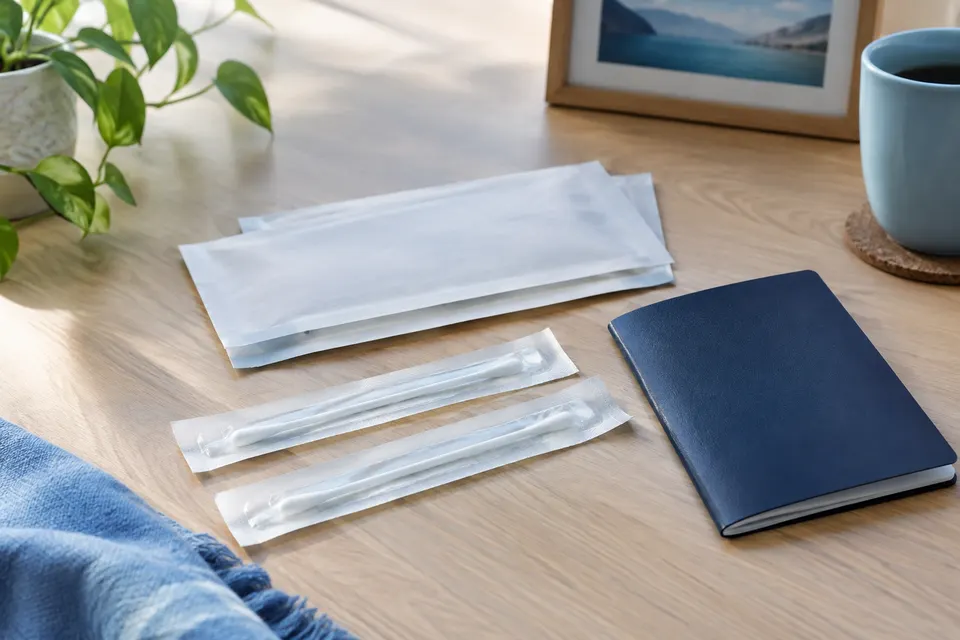
When DNA evidence enters an immigration case
A reviewing officer or consulate may suggest DNA testing when the paperwork that normally proves a parent and child relationship is not available or not sufficient. It is typically offered as an option rather than a demand, but it can move a case forward when other records cannot.
Families in Murfreesboro often have a petitioner here in Tennessee and a relative overseas. That means two collections: one locally, and one at an embassy or consulate abroad, both tied to the same case.

Following the agency's procedure
Immigration testing has strict expectations. The petitioner is usually collected in the United States with documented identity checks. The overseas sample is collected under the supervision of the embassy or consulate, and the laboratory typically communicates the result in the manner the agency directs rather than handing it to the family to forward.
Read every instruction in your notice carefully and keep your case number nearby. Small mismatches, such as name spellings that differ from passports, can create delays.
- Your agency notice or case reference
- Government issued photo identification for the petitioner
- Names exactly as they appear on passports
- The embassy or consulate location for the overseas relative
Keeping the family informed
These cases can stretch across time zones and languages. It helps to choose one family member as the main point of contact who can share updates with relatives abroad. Clear expectations about each stage reduce the anxiety of waiting.
How Immigration DNA Testing works, step by step
- 01
Review your notice
Confirm what the agency has asked for and which relatives need testing.
- 02
Local collection
The petitioner in Tennessee is identified and swabbed under documented conditions.
- 03
Overseas collection
The relative abroad is collected through the embassy or consulate process.
- 04
Agency reporting
Results are delivered according to the agency's instructions.
Questions about Immigration DNA Testing
Can we use a home kit for immigration?
Generally no. Immigration testing relies on documented collection on both sides, so a private home kit is not suitable.
Which relationships can be tested?
Parent and child relationships are most common, but sibling and other relationships may be tested when the agency allows it.